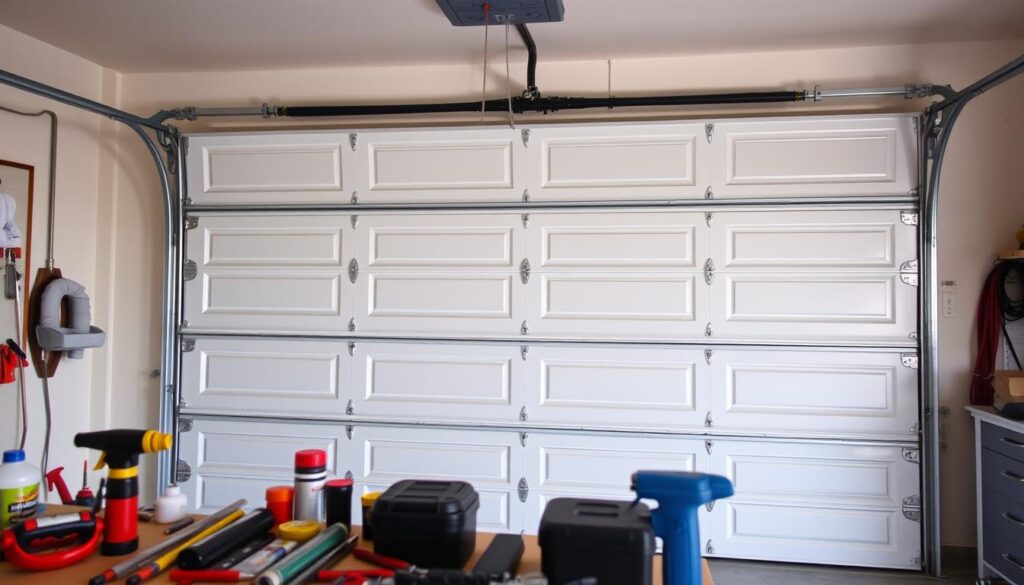
Why Aging Garage Doors Are a Safety Risk & When You Should Replace Yours
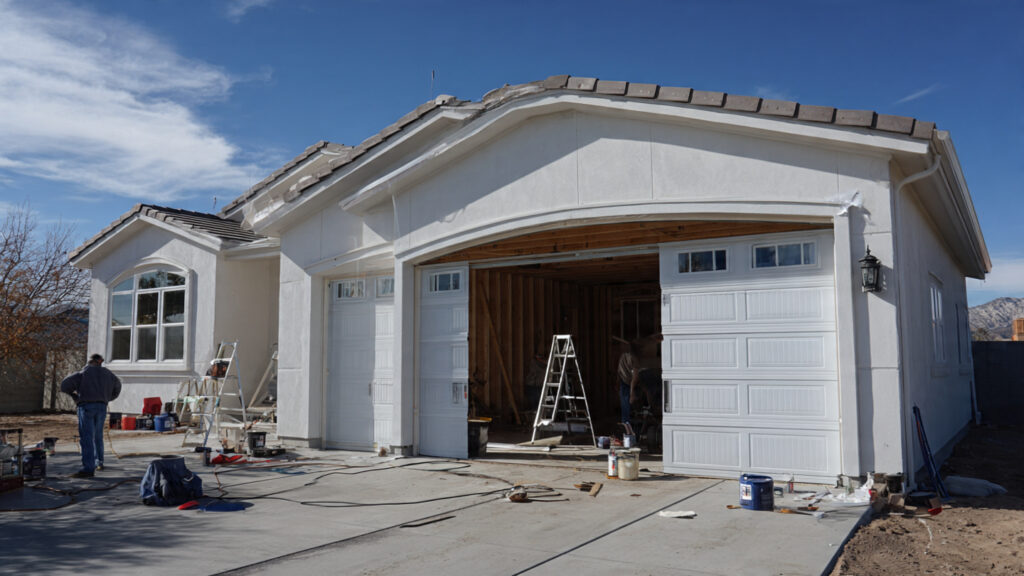
Aging garage doors might seem harmless at first, but they can create serious safety risks for your home and family. As garage doors get older, their parts weaken, their systems slow down, and their reliability decreases. At VIP Garage Door Repair, we’ve seen many homeowners overlook the early signs of a failing garage door until a sudden breakdown or unsafe situation occurs. Many people also search for Garage Door Replacement showing just how common these issues are for local homeowners.
In San Bernardino, garage doors face constant daily use, warm weather, dust, and natural wear that can speed up aging. Because of this, older doors often develop problems that create safety concerns you may not notice right away. When homeowners start experiencing loud noises, slow movements, broken springs, or uneven door panels, they often turn to trusted professionals for Garage Door Replacement in San Bernardino to restore safety and proper function.
Understanding How Garage Doors Age Over Time
Garage doors are one of the hardest-working systems in any home. Most people open and close their garage door multiple times per day. Over the years, this constant motion causes wear on springs, cables, rollers, hinges, and the opener. When these parts weaken, the entire system becomes unsafe, which is why many homeowners eventually look for Garage Door Replacement to restore safety and proper function.
Older garage doors often have outdated hardware, older safety technology, and weaker materials that can break unexpectedly. Even if the door still works, it may no longer be safe. Knowing what happens as your garage door ages helps you understand when replacement is necessary.
1. Worn-Out Springs Create Major Safety Risks
Garage door springs carry the weight of the entire door. When springs weaken or break, they can cause sudden door drops, loud snapping noises, or complete system failure.
Why this is dangerous:
- A broken spring can send the door crashing down
- It can cause serious injuries to anyone nearby
- It can damage cars or property
- Old springs can break without warning
Many homes in San Bernardino have garage doors with springs that are more than 10–15 years old, well past their safe lifespan. As springs age, they lose tension and become unpredictable.
2. Frayed, Rusted, or Damaged Cables
Cables help lift and lower the door safely. Over time, cables can rust, fray, or weaken due to weather and daily use.
Signs of cable wear:
- Fraying or broken strands
- Door lifting unevenly
- Cables hanging loosely
- Grinding noises
Damaged cables can snap suddenly, causing the door to fall or stop mid-movement. Because cables carry high tension, they are extremely dangerous to repair without training.
3. Old Garage Door Openers Lack Modern Safety Features
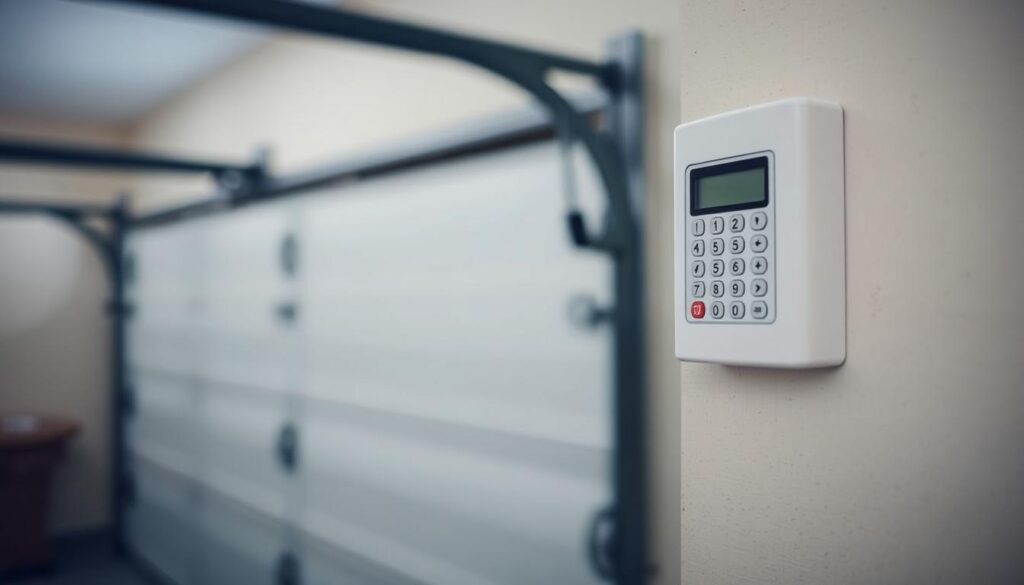
Many older garage door openers were built before modern safety standards were introduced. Modern systems include important features like auto-reverse sensors, motion detection, and rolling security codes.
Old openers may have:
- Weak motors
- No safety sensors
- Outdated security
- Slow response times
- High risk of malfunction
If your opener is more than 10–15 years old, upgrading during your Garage Door Replacement is strongly recommended. New openers offer better safety, reliability, and protection.
4. Damaged or Warped Garage Door Panels
As garage doors age, panels may warp, dent, crack, or shift out of alignment. These changes affect not only the look of the door but also its ability to operate safely.
Warped panels can:
- Put pressure on the opener
- Cause the door to stick or jam
- Create gaps for pests or intruders
- Make the door unstable
Severe panel damage is one of the biggest reasons homeowners choose Garage Door Replacement instead of repairs.
5. Loud, Shaky, or Unstable Operation
An aging garage door often makes grinding, squeaking, or banging noises. These noises usually come from worn-out rollers, loose hardware, or misaligned tracks.
Unstable movement indicates:
- Poor balance
- Weak support
- Failing mechanical parts
- Higher risk of collapse
If your garage door shakes or vibrates heavily, it’s no longer safe to use.
6. Outdated or Missing Safety Sensors
Safety sensors prevent the door from closing on people, pets, or objects. Older doors may have sensors that stop working over time—or they may not have sensors at all.
This is a major safety concern for families with children or pets.
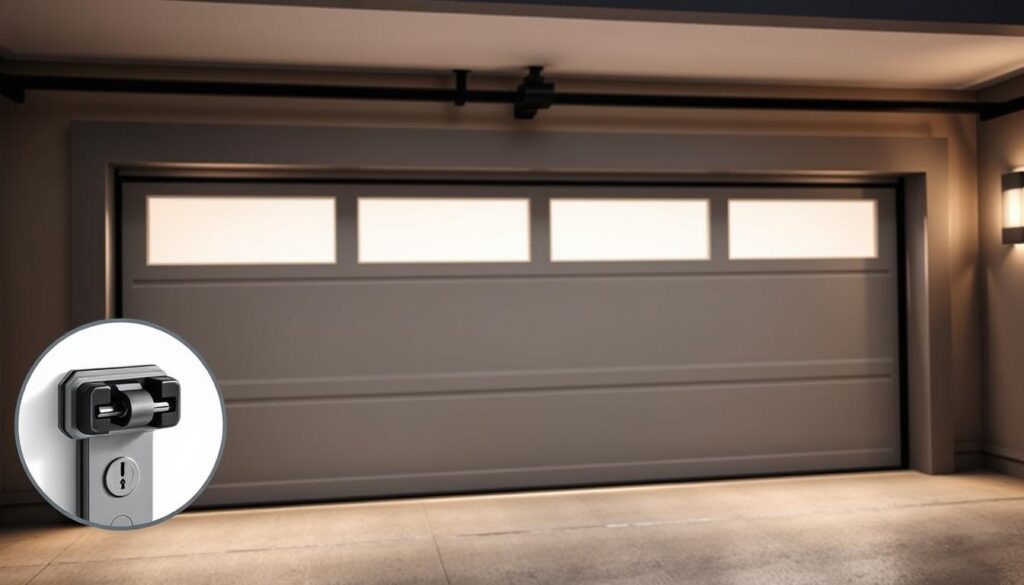
7. Security Risks From Older Garage Doors
Old garage doors often have weak locks, thin panels, or outdated openers, making them easier for intruders to break into.
Security risks include:
- Weak points around panels
- Old opener codes that are easy to hack
- Worn locks or latches
- Gaps caused by warped doors
Replacing your garage door helps protect your home from theft and keeps your family safe.
When Should You Replace Your Garage Door?
Here are the clearest signs that it’s time to consider a replacement:
✔ The door is over 15–20 years old
✔ Springs or cables have broken multiple times
✔ The door sags, shakes, or moves unevenly
✔ Repairs are becoming more frequent
✔ The opener is outdated or unsafe
✔ Panels are cracked, dented, or warped
✔ The door no longer matches your home’s style
✔ The system is loud, slow, or unreliable
✔ You want a safer, more secure garage door
If you experience any of these problems, replacing the door is often the safest and most cost-effective solution.
Benefits of Replacing an Aging Garage Door
A new garage door doesn’t just solve safety problems—it improves your home in many ways.
1. Improved Safety
Modern doors are built with stronger materials and advanced safety features that prevent accidents.
2. Better Security
New garage doors include upgraded hardware, stronger panels, and better locking systems.
3. Improved Home Value
Garage doors have one of the highest returns on investment for home improvement.
4. Energy Efficiency
New insulated doors help regulate temperature, reducing energy costs.
5. Smoother, Quieter Operation
New rollers, tracks, and openers operate quietly and reliably.
6. Reduced Maintenance
New doors require fewer repairs, saving money long-term.
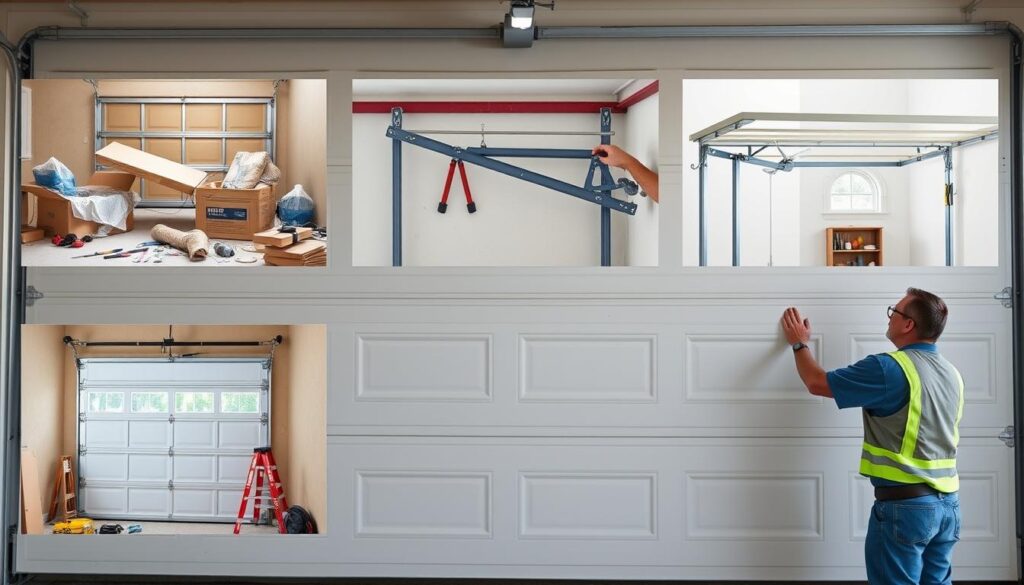
Our Garage Door Replacement Process
At VIP Garage Door Repair, we follow a professional, step-by-step process to ensure your new garage door is safe, strong, and installed correctly.
1. Inspection & Consultation
We check the condition of your current door and help you choose the best replacement options.
2. Measurements & Ordering
We take precise measurements to ensure your new door fits perfectly.
3. Safe Removal of the Old Door
We remove old panels, springs, hardware, and tracks carefully and safely.
4. Installation of New Door & Hardware
We install tracks, rollers, hinges, springs, and the new opener (if needed).
5. Safety Testing & Balancing
We test all safety systems, sensors, and mechanical components to ensure smooth operation.
6. Final Walk-Through
We review everything with you and make sure you are fully satisfied.
Preventing Future Safety Risks
To keep your new garage door in excellent condition:
- Lubricate moving parts regularly
- Keep tracks clean
- Check sensors every few months
- Schedule yearly maintenance
- Watch for unusual noises or movement
A well-maintained garage door stays safe and reliable for years.
Conclusion
An aging garage door is more than just an eyesore—it can create serious safety and security risks for your home. Knowing when to replace your door helps protect your family, prevents accidents, and improves your home’s value. As experienced professionals providing Garage Door Replacement in San Bernardino, we’re committed to helping homeowners stay safe and upgrade their properties with strong, reliable garage door systems.
If you’re ready to improve safety, upgrade your home, or need expert advice, VIP Garage Door Repair is here to help. Call us today at (909) 695-6491 to schedule your replacement or speak with one of our specialists.