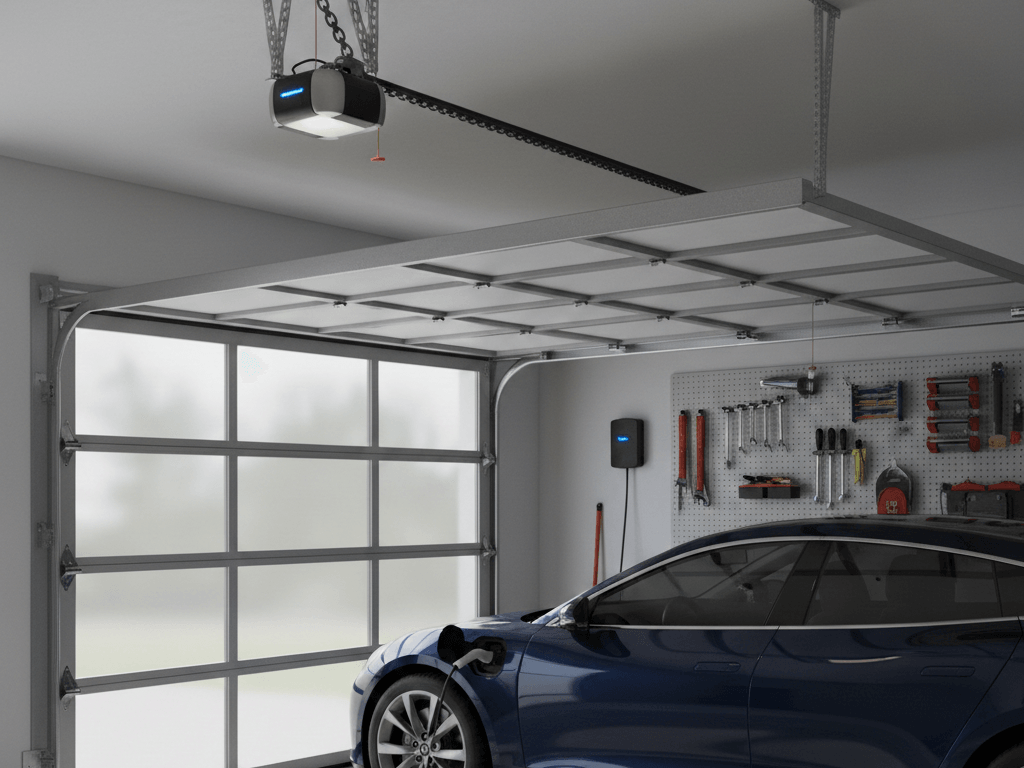
A garage door opener plays a major role in your home’s safety, convenience, and daily routine. Most homeowners don’t think about their opener until it suddenly stops working, makes unusual noises, or becomes unreliable. At VIP Garage Door Repair, we’ve seen how frustrating it can be when your opener fails without warning. That’s why many homeowners begin searching for a trusted garage door opener repair service, especially when their opener starts showing signs of age or mechanical wear.
In San Bernardino, where garage doors are used multiple times a day and exposed to changing weather, dust, and constant vibration, openers can wear out faster than expected. Because of this, we often help homeowners understand the typical lifespan of their opener and when it’s time to repair or replace it. When people reach out looking for garage door opener repair service in San Bernardino, they’re usually dealing with problems that could have been prevented with proper maintenance or earlier diagnosis.
Understanding the Typical Lifespan of a Garage Door Opener
Most garage door openers last between 10 and 15 years, depending on how often they are used, how well they are maintained, and the type of opener installed. Some high-quality models can last even longer when properly cared for.
However, lifespan varies based on:
- The weight and design of your garage door
- The type of drive system (belt, chain, screw, direct-drive)
- Environmental conditions
- Whether the opener is used multiple times a day
- How often maintenance is performed
- The age of related components like springs and rollers
Even if your opener still runs, it might be outdated, missing modern safety features, or struggling to lift your door properly. That’s why understanding its life expectancy is essential, especially for homeowners who may eventually need a trusted garage door opener repair service to keep their system safe and reliable.
Types of Garage Door Opener Systems and Their Lifespans
Different opener systems have different strengths, weaknesses, and expected lifespans. Understanding these systems will help you determine how long your opener might last.
1. Chain-Drive Openers
Chain-drive openers use a metal chain to lift the door. They are strong, reliable, and affordable.
Typical Lifespan: 10–15 years
Pros:
- Durable
- Ideal for heavier doors
- Cost-effective
Cons:
- Noisier than other types
- Requires more frequent lubrication
Because of their durability, chain-drive systems are common in homes with heavy wooden or insulated garage doors.
2. Belt-Drive Openers
These openers use a strong rubber belt instead of a chain, making them much quieter.
Typical Lifespan: 10–15 years
Pros:
- Very quiet
- Smooth operation
- Great for homes with attached garages
Cons:
- Slightly higher cost
- The belt may stretch over time
Belt-drive openers are popular for families who want quiet, reliable performance.
3. Screw-Drive Openers
These openers use a threaded rod to move the door.
Typical Lifespan: 7–12 years
Pros:
- Fewer moving parts
- Good lifting power
Cons:
- Sensitive to temperature changes
- Noisier than belt-drive systems
Because of weather sensitivity, screw-drive systems may wear faster in certain climates.
4. Direct-Drive Openers
These openers have a motor that moves along the rail, making them extremely quiet and long-lasting.
Typical Lifespan: 15–20+ years
Pros:
- Quieter than a belt-drive
- Simplest mechanics
- Low maintenance
Cons:
- Higher cost
- Limited availability in some regions
Direct-drive openers are one of the longest-lasting options on the market.
Key Factors That Affect Your Opener’s Lifespan
Even the highest-quality opener will wear out over time, but certain conditions can shorten or extend its life.
1. Frequency of Use
If your garage door is opened six to ten times a day, the opener experiences more wear than one used only once or twice daily.
2. Lack of Maintenance
Dirty tracks, dry rollers, and misaligned sensors can strain the opener, causing early breakdowns.
3. Door Weight and Balance Issues
A poorly balanced door or a heavy, outdated door puts extra stress on the opener. When springs begin to weaken, the opener has to work harder, shortening its lifespan.
4. Environmental Conditions
In San Bernardino, heat, dust, and dryness can cause opener components to wear out more quickly.
5. Age of Other Components
If the garage door springs, rollers, cables, or tracks are old or worn, the opener must compensate for this, which can cause additional strain.
Signs Your Garage Door Opener Is Reaching the End of Its Life
Even a well-maintained opener will eventually show signs of aging. Here are the most common indicators:
1. Slow or Weak Opening
If the door starts moving more slowly or struggles to open, the motor may be weakening.
2. Loud Grinding or Straining Noises
A failing opener often makes unusual noises during operation.
3. Unresponsive Remote or Wall Button
If multiple controls fail, the opener’s internal circuitry may be failing.
4. Frequent Reversing or Stopping
If the door reverses without any obstruction, the opener might be malfunctioning.
5. Vibration or Jerky Movement
These movements aren’t normal—they often indicate a motor or gear problem.
6. Inconsistent Communication With Sensors
Flickering sensors or constant blinking are signs of electrical issues.
7. Opener Is Over 10–15 Years Old
Even if it works, older openers may lack modern safety features such as:
- Auto-reverse
- Rolling security codes
- Backup battery
- LED lighting
- Smart controls
Older models eventually become unsafe or unreliable.
How to Extend the Lifespan of Your Garage Door Opener
You can maximize your opener’s lifespan with simple maintenance steps:
1. Lubricate Moving Parts Regularly
Lubricate the chain, rollers, and hinges at least twice a year.
2. Clean and Align the Sensors
Dust, dirt, or slight misalignment can cause sensor failure.
3. Test the Balance of the Door
A well-balanced door puts less stress on the opener.
4. Tighten Loose Hardware
Check rails, hinges, and brackets at least once a year.
5. Replace Worn Springs and Rollers Early
It prevents extra pressure on the motor.
6. Get Professional Maintenance Annually
Technicians can detect early problems before they turn into emergencies.
When Should You Replace Your Garage Door Opener?
Here are the clearest signs that replacement may be safer than repair:
- Opener is more than 12–15 years old
- Repairs are becoming frequent
- Safety sensors stop working
- Motor overheats or strains
- The door shakes or vibrates heavily
- Opener lacks safety features
- The opener cannot lift the door properly
By replacing your opener early, you reduce repair costs and improve home safety.
How Our Technicians Help
At VIP Garage Door Repair, we offer expert diagnostic services to determine whether your opener needs repair, tune-up, or full replacement. Our technicians examine:
- Motor operation
- Gear wear
- Sensor communication
- Door balance
- Circuit board condition
- Mechanical strain
We provide honest recommendations based on safety, cost, and long-term reliability.
Garage Door Opener Maintenance: What We Do During a Professional Visit
When we service an opener, we perform:
- Full mechanical inspection
- Track and roller lubrication
- Sensor cleaning and realignment
- Spring and cable checks
- Force limit adjustments
- Safety reversal testing
- Opener motor evaluation
It keeps your system running smoothly and prevents future breakdowns.
Conclusion
A garage door opener typically lasts 10–15 years, but its lifespan depends heavily on maintenance, usage, and the health of the entire garage door system. By paying attention to early warning signs and performing routine care, you can extend your opener’s life and avoid sudden failures. As trusted professionals offering garage door opener repair service in San Bernardino, we’re here to help you keep your system safe, strong, and reliable for years to come.
If your opener is aging, acting up, or showing signs of failure, contact VIP Garage Door Repair today at (909) 695-6491 for expert service and honest solutions.